
Introduction
Cliff Honey, also known as “Himalayan Giant Honey” or “Red Honey,” is one of the world’s rarest and most perilous honey varieties. Harvested by indigenous communities like the Gurung people of Nepal from sheer cliffs at 2,500+ meters, this honey is prized for its medicinal properties, psychedelic effects, and extreme harvesting risks.
In this complete guide, we cover:
✔ What makes Cliff Honey unique?
✔ The death-defying harvest (and why it’s so expensive)
✔ Medicinal benefits vs. risks (hallucinations, toxicity)
✔ How to identify real vs. fake Cliff Honey
✔ Where to buy authentic, ethically sourced Cliff Honey
1. What is Cliff Honey? (The “Honey of Death”)
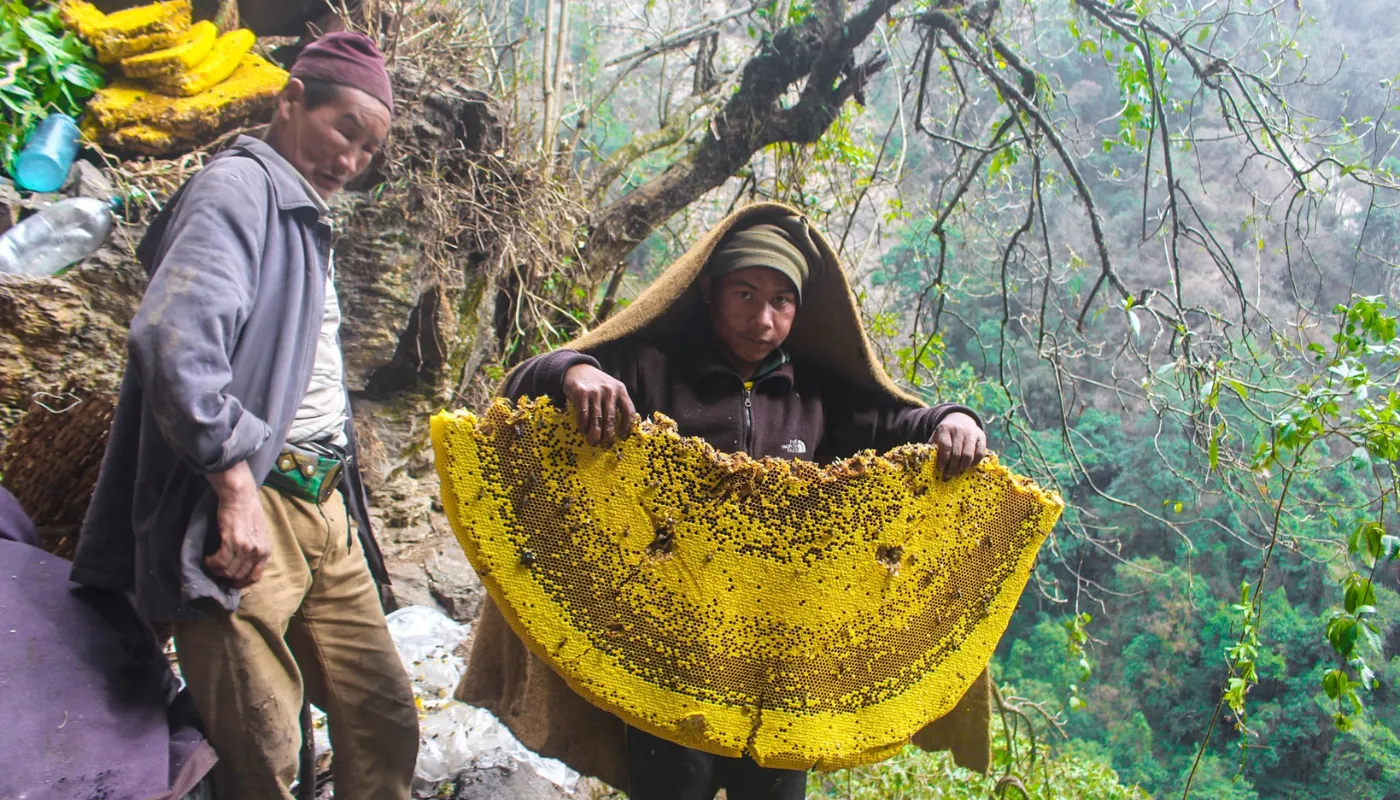
Cliff Honey is produced by the world’s largest honeybee, Apis laboriosa, which builds hives on vertical Himalayan cliffs.
🔹 Unique Features:
- Color: Dark red to black (due to high mineral & pollen content).
- Taste: Smoky, bitter, with a slightly numbing effect.
- Psychoactive? Some batches contain grayanotoxins (like Mad Honey).
🔹 Harvesting Danger:
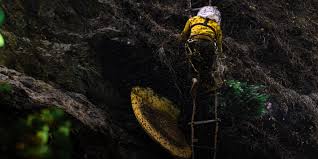
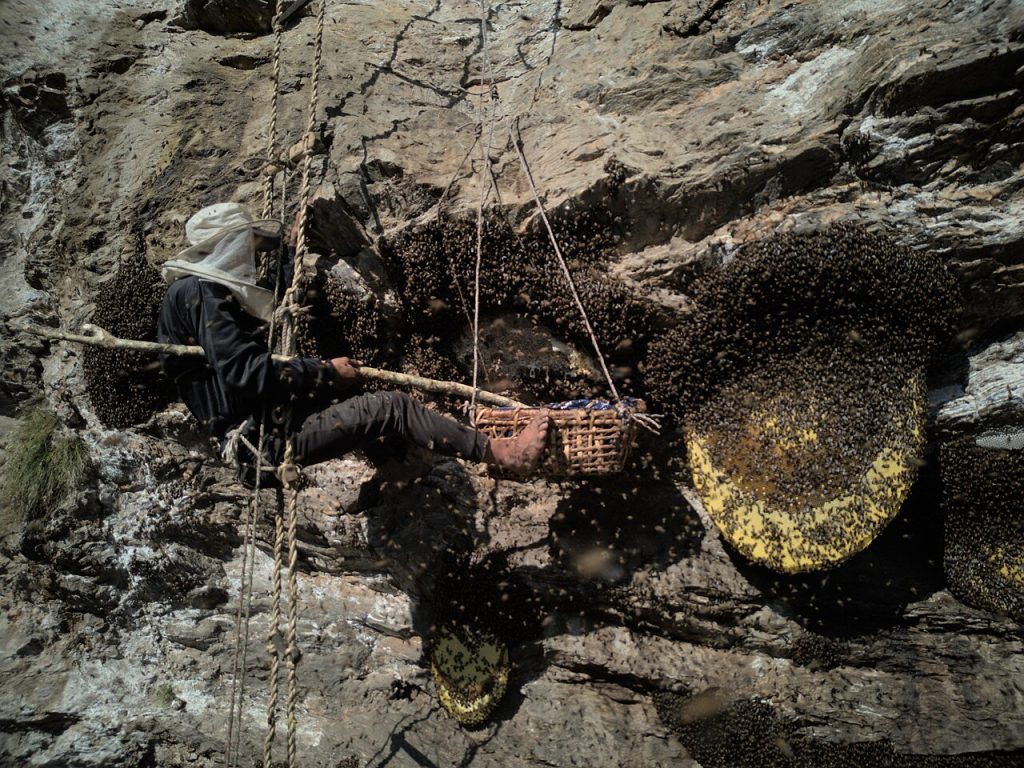
- “Honey hunters” descend cliffs on rope ladders, facing deadly falls & bee attacks.
- A single harvest can take 3-4 hours for just 5-10kg of honey.
→ BBC Documentary on Nepal’s Honey Hunters
2. Cliff Honey Benefits vs. Risks
✔ Medicinal Benefits (Traditional Use)
✅ Respiratory Health – Used for asthma, bronchitis (smoky flavor acts as an expectorant).
✅ Energy Booster – High mineral content (iron, zinc, magnesium).
✅ Anti-Inflammatory – Used in Ayurveda for wound healing.
❌ Risks & Side Effects
⚠ Hallucinations (if grayanotoxins are present).
⚠ Allergic Reactions – Some report throat swelling, dizziness.
⚠ Overharvesting Threat – The bees are endangered due to climate change.
→ FAO Report on Sustainable Honey Hunting
3. How to Identify Real Cliff Honey (Avoid Fakes!)
Due to its rarity, fake Cliff Honey (mixed with sugar syrup & dyes) is common.
✅ Real Cliff Honey Signs:
- Color: Deep red/black (not golden like regular honey).
- Texture: Thick, sticky, with visible pollen chunks.
- Taste: Bitter, smoky, tingling sensation (due to minerals).
- Price: 200–200–500 per kg (extremely expensive).
❌ Fake Cliff Honey Signs:
- Too sweet (no bitterness).
- Watery consistency (real Cliff Honey is dense).
- Sold at suspiciously low prices.
→ National Geographic’s Guide to Authentic Honey
4. Ethical Concerns & Sustainable Harvesting
The Apis laboriosa bee is declining due to:
- Overharvesting (high demand from tourists).
- Climate change (shrinking habitats).
🔹 How to Support Ethical Harvesting?
✔ Buy from Fair Trade-certified Nepalese cooperatives.
✔ Avoid mass-market sellers (likely fake or exploitative).
→ Nepal’s Beekeeping Development Committee
5. Where to Buy Authentic Cliff Honey?
⚠ Warning: 90% of “Cliff Honey” online is fake or diluted!
Trusted Sources:
- Gurung cooperatives in Nepal (direct from Upper Mustang).
- Specialty ethical brands (e.g., Himalayan Honey Co.).
- High-end gourmet stores (with lab certifications).
Conclusion: Is Cliff Honey Worth It?
Cliff Honey is a luxury with risks. If you try it:
✔ Verify authenticity (fake honey is everywhere).
✔ Support ethical harvesters (don’t exploit indigenous communities).
✔ Start with a small dose (some batches are psychoactive).
Have you tried Cliff Honey? Share your experience below! ⬇
→ Explore our related guide: World’s Rarest (and Most Dangerous) Honey Types
0 Comments