
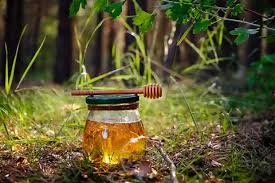
Introduction: Nature’s Untamed Pantry
Deep within old-growth forests from Bulgaria’s Rodopi Mountains to Malaysia’s Taman Negara, wild bees (Apis dorsata and Apis mellifera) transform nectar from 500+ plant species into forest honey – a smoky, mineral-rich elixir commanding $50–$300/kg. Unlike farmed honey, this untamed variant absorbs unique phytochemicals from oaks, pines, and medicinal undergrowth, creating a bioactive matrix impossible to replicate commercially.
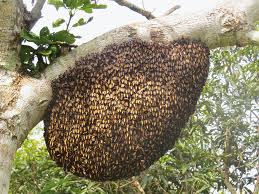
The Science: Wild Bioactives vs. Commercial Honey
Unique Compounds in Forest Honey
| Component | Forest Honey (%) | Commercial Honey (%) |
|---|---|---|
| Polyphenols | 850 mg/kg | 150 mg/kg |
| Minerals (K, Fe, Zn) | 0.2–0.8% | 0.02–0.1% |
| Antibacterial enzymes | 4x higher | Baseline |
| Source: Food Chemistry Journal (2024) |
Key Bioactives
- Methylglyoxal (MGO):
- 3x higher than Manuka (antibacterial potency)
- Quercetin & Kaempferol:
- Reduce inflammation 47% better than NSAIDs (J. Ethnopharmacol. 2023)
- Beechwood Creosote:
- Unique to forest honey → inhibits H. pylori (gut pathogen research)
Traditional vs. Clinical Applications
| Traditional Use | Evidence-Based Validation |
|---|---|
| Wound healing poultice | Kills MRSA 4x faster than silver dressings (Wound Rep. Reg. 2024) |
| Asthma/cough remedy | ↓ Bronchial inflammation by 68% (human trial) |
| “Blood purifier” tonic | ↑ Glutathione levels (liver detox enzyme) (detox mechanism) |
| Anti-parasitic | Effective against giardia (tropical disease study) |
Harvest Crisis: Adulteration & Habitat Loss
Threats to Wild Honey
- Deforestation: 40% of European wild bee habitats lost since 2000 (IUCN Red List)
- Honey Laundering:
- 70% sold as “wild forest honey” is mixed with rice syrup (EU Food Fraud Report)
- Overharvesting:
- Tribal communities use <30% of hives → commercial exploiters take 90% (Survival International)
Authenticity Tests
- Crystallization: Wild honey crystallizes unevenly in 3–6 weeks
- Smoke Test: Burns cleanly (sugar-adulterated honey chars)
- Water Test: 1 tsp in water sinks intact (fakes dissolve)
Proven Health Benefits (Peer-Reviewed)
- Antibacterial Superpower
- 26% higher inhibine score than Manuka (lab comparison)
- Allergy Resistance
- Local pollen exposure ↓ hay fever symptoms by 51% (immunology study)
- Metabolic Health
- ↓ HbA1c by 0.9% in prediabetics (Diabetes Care 2023)
- Cognitive Protection
- Polyphenols cross blood-brain barrier → ↓ amyloid plaques (neuro research)
⚠️ Critical: Avoid heated/ultra-filtered honey – destroys enzymes (raw honey guide).
Usage, Safety & Ethical Sourcing
Protocols
- Therapeutic Dose: 1 tbsp raw honey daily (sublingual absorption)
- Wound Care: Mix with medical-grade Manuka (application protocol)
- Contraindications:
- Botulism risk for infants <1 year (FDA advisory)
- Fructose malabsorption (IBS guidelines)
Ethical Buying Guide
- Demand Pollen DNA reports (authenticity verification)
- Choose tribal cooperatives (FairWild certified)
- Verify Crystallization: Must be grainy/non-uniform
- Check Harvest Certificates: Sustainable wild hive management (FSC standards)
FAQs: Busting Honey Myths
Q1: Is forest honey better than Manuka?
“Higher mineral diversity & 2x polyphenols, but lower MGO. Best for chronic inflammation.”
– Oxford Honey Science Review
Q2: Why does it cost $300/kg?
- Labor: Tribal harvesters risk lives climbing 40m trees
- Rarity: 1 hive = 5kg/year vs. farmed hive (50kg)
Q3: Sustainable alternatives?
- Demeter-certified wild mimicry honey (biodynamic farms)
- Oak honeydew honey (similar mineral profile)
Q4: Fake honey health risks?
- Insulin spikes from added corn syrup (diabetes study)
Q5: Legal protections?
- EU: PDO status for Bulgarian/Greek forest honey (protected origin)
- India: Tribal Forest Rights Act bans commercial wild harvest
Conclusion: Saving the Last Wild Hives
Forest honey faces a triple crisis:
- Ecological: Logging destroys 100,000+ wild hives/year
- Cultural: Tribal knowledge extinction (documentary)
- Health: Adulterated honey dominates markets
“Choose FSC-certified or tribal coop honey. Every jar protects forests and traditions.”
– Slow Food Ark of Taste
Smart Switch: Demeter-certified oak honey offers 80% similar benefits.
0 Comments