

Himalayan shilajit pure resin benefits research shows this ancient substance may hold remarkable potential for modern health challenges. Formed over centuries by the decomposition of certain plants in the Himalayas, shilajit has been traditionally used in Ayurvedic medicine as a powerful rejuvenator and anti-aging compound. In fact, the main active ingredient in shilajit is fulvic acid, which makes up an impressive 60% to 80% of its total composition and provides potent antioxidant properties.
Interestingly, recent studies have revealed that shilajit possesses an ORAC index between 50 and 500 Trolox units/g, significantly higher than popular antioxidant foods like Noni and blueberries. Additionally, research indicates shilajit may help prevent tau self-aggregation associated with Alzheimer’s disease, suggesting important cognitive health benefits. Beyond brain health, scientific evidence supports shilajit benefits for male fertility, with one study showing over 60% of participants experienced increased sperm count after 90 days of supplementation. However, before adding this natural supplement to your routine, it’s important to understand how to use shilajit properly and be aware of potential side effects, especially since raw forms may contain heavy metals and other contaminants.
The Origins and Composition of Himalayan Shilajit

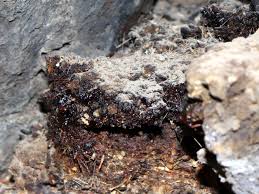
The enigmatic blackish-brown resinous substance known as shilajit emerges from mountain cracks across several high-altitude regions worldwide. This natural exudate, whose name translates from Sanskrit as “rock-invincible” or “conqueror of mountains,” has been treasured for centuries in traditional medicine systems for its remarkable healing properties.
Where shilajit is found
Shilajit primarily exudes from rocks at elevations between 1,000-5,000 meters above sea level [1]. While the Himalayas are renowned for producing the highest quality shilajit, this substance is found across numerous mountain ranges globally. The geographical distribution extends throughout the southern foothills of the Himalayas (from southern Tibet to Kashmir), the Pamir Plateau, Altai Mountains, Ural Mountains, and Hindu Kush [2]. Beyond these regions, shilajit has been discovered in Bhutan, Egypt, Mongolia, Nepal, India, Norway, Pakistan, Russia, Afghanistan, Australia, Tajikistan, and several Commonwealth Independent States [2].
The substance typically emerges from steep cliff faces and rocky crevices, particularly during summer months when mountain rocks heat up from intense sunlight. During these warmer periods, the resin softens and oozes out from cracks in the mountain rocks [3]. Himalayan shilajit pure resin benefits research often focuses on samples collected from Western Nepal and other high-altitude Himalayan locations due to their exceptional quality.
How it forms over centuries
The formation of shilajit represents a remarkable natural process spanning centuries to millennia. Scientists have proposed several theories about its origin, but most evidence supports the biological hypothesis. According to this theory, shilajit forms through the slow decomposition and humification of certain plants and organic matter trapped between layers of rock [4].
The process begins when plant material from species such as Euphorbia royleana, Trifolium repens, and various bryophytes (mosses and liverworts) becomes compressed between mountain rocks [5]. Over centuries, this organic matter undergoes microbial digestion and transformation under immense pressure and temperature [2]. The decomposition process, known as humification, gradually converts the plant matter into a humus-like substance rich in fulvic and humic acids [2].
Furthermore, geological activity plays a crucial role in shilajit formation. The Indian continental plate’s collision with the Eurasian plate approximately 55 million years ago created the perfect conditions for transforming trapped organic matter into this mineral-rich resin [6]. Throughout this extensive timeline, the organic components become enriched with minerals from surrounding rock layers.
Key compounds: fulvic acid and humic substances
The therapeutic value of shilajit stems primarily from its rich composition of bioactive compounds. Humic substances constitute 60-80% of shilajit’s total organic mass [7], making them the predominant component. These substances can be operationally divided into three categories based on their solubility in water at different pH levels: humins (insoluble at any pH), humic acids (soluble under alkaline conditions), and fulvic acids (soluble across various pH conditions) [5].
Fulvic acid represents the most biologically significant component, credited with many of shilajit’s health benefits. With a low molecular weight of approximately 2 kDa, fulvic acid is readily absorbed in the intestinal tract and eliminated within hours [5]. This bioavailability explains why fulvic acid is considered the primary active ingredient responsible for shilajit’s therapeutic properties.
Beyond these humic substances, shilajit contains numerous other bioactive components:
- Minerals and trace elements (20-40% of composition) [1]
- Dibenzo-α-pyrones and chromoproteins
- Triterpenes, sterols, and fatty acids
- Aromatic carboxylic acids and benzocoumarin
- Amino acids, polyphenols, and phenolic lipids [5]
The composition varies slightly depending on geographical origin and the specific plant species involved in its formation, but the fundamental therapeutic components remain consistent across regions.
How Shilajit Works in the Body
Understanding the molecular interactions of shilajit within your body reveals the science behind its traditional reputation as a rejuvenator. The complex biochemical processes triggered by this natural substance explain its wide range of potential health benefits.
Absorption and bioavailability of fulvic acid
Fulvic acid, the primary bioactive component in shilajit, possesses remarkable absorption properties that set it apart from many natural compounds. With its low molecular weight of approximately 2 kDa, fulvic acid is readily absorbed in the intestinal tract and eliminated within hours from the body [8]. This efficient absorption is critical to shilajit’s effectiveness.
What makes fulvic acid exceptionally valuable is its ability to cross the blood-brain barrier. Research confirms that once absorbed through the intestinal tract and into systemic circulation, shilajit’s components can penetrate this protective barrier [9]. This characteristic explains why shilajit may influence cognitive function and potentially benefit neurological health.
Moreover, fulvic acid demonstrates 100% absorbability to living cells [10]. This high permeability to cell membranes allows fulvic acid to effectively transport minerals and other beneficial compounds directly into tissues. As a result, fulvic acid functions as a natural carrier molecule in the human system, helping in the transportation of nutrients into deep tissues while simultaneously removing deep-seated toxins [11].
Interaction with cellular energy systems
One of the most significant ways shilajit affects your body is through its interaction with cellular energy production. The substance helps mitochondria—your cells’ powerhouses—function more efficiently to produce ATP (adenosine triphosphate), the principal form of energy in your body [12].
This enhancement of mitochondrial function is particularly relevant for conditions like chronic fatigue syndrome (CFS), which has been associated with mitochondrial dysfunction. By naturally boosting your body’s mitochondrial function, shilajit supplements may help improve energy levels [10]. Clinical studies have demonstrated that shilajit can reduce fatigue and enhance muscle strength and recovery [2].
Additionally, shilajit contains over 84 types of minerals in their ionic forms [11]. These minerals work alongside fulvic acid to maintain and restore the electrical potency of cells, preventing their decay and promoting energy metabolism. This mineral-rich composition enables shilajit to maintain necessary oxygen levels in the body during hypoxia-like conditions [11].
Antioxidant and anti-inflammatory effects
Shilajit’s principal active compounds—fulvic acid, DBPs, and DCPs—are potent antioxidants that enhance your body’s antioxidant capacity and reduce oxidative stress [13]. Specifically, research has shown that shilajit increases blood levels of crucial antioxidant enzymes including:
- Superoxide dismutase
- Glutathione peroxidase
- Catalase
Furthermore, shilajit increases levels of your body’s own natural antioxidants such as glutathione, vitamin C, and vitamin E, while reducing malondialdehyde, a marker of oxidative stress [13].
Intriguingly, shilajit demonstrates both pro-inflammatory and anti-inflammatory properties. According to a 2018 review, research into fulvic acid shows it can be both pro- and anti-inflammatory [2]. This dual nature allows shilajit to function as an immunomodulator—capable of either enhancing or suppressing your immune system as needed [2].
Scientific studies dating back to the 1980s and 1990s confirm these immunomodulatory properties [2]. In Ayurvedic medicine, this characteristic explains why shilajit is used to treat inflammatory conditions ranging from eczema to diabetes. The compound reportedly blocks the release of chemicals like histamine that your immune system secretes when exposed to allergens [2].
Overall, these mechanisms work synergistically to explain how this ancient substance continues to demonstrate potential across various aspects of human health.
Science-Backed Health Benefits of Shilajit

Recent scientific investigations reveal compelling evidence supporting the traditional uses of this ancient substance. Modern research continues to uncover the physiological mechanisms behind Himalayan shilajit pure resin benefits.
1. Supports cognitive function and memory
The fulvic acid in shilajit demonstrates remarkable neuroprotective properties. Research indicates it may prevent the accumulation of tau proteins in the brain—a key factor in neurodegenerative conditions [8]. When tau proteins build up abnormally, they can trigger brain cell damage linked to Alzheimer’s disease [5]. A 2023 laboratory study discovered that shilajit’s fulvic acid might help break down existing amyloid plaques while preventing additional formation [2]. Additionally, preliminary studies suggest shilajit enhances cholinergic signaling, crucial for memory and learning processes [3].
2. May improve male fertility and testosterone levels
Perhaps the most thoroughly researched benefit involves male reproductive health. A randomized, double-blind, placebo-controlled study revealed that men taking purified shilajit (250mg twice daily) for 90 consecutive days experienced significant increases in total testosterone (+23.5%), free testosterone, and DHEAS (+31.35%) compared to placebo [14][15]. Furthermore, research with 60 infertile men showed that after 90 days of shilajit supplementation, over 60% experienced increased total sperm count (+61.4%), improved sperm motility, and enhanced normal sperm count (+18.9%) [16].
3. Helps reduce chronic fatigue symptoms
Studies demonstrate shilajit’s effectiveness against chronic fatigue syndrome (CFS). In clinical research, shilajit reversed CFS-induced increases in immobility and decreased climbing behavior [17]. The mechanism appears linked to stabilizing mitochondrial function—essentially preserving your cellular energy production systems [18]. By preventing mitochondrial dysfunction and oxidative stress, shilajit helps maintain energy levels and reduce fatigue symptoms [10].
4. May support bone and heart health
Notably, research with postmenopausal women taking daily shilajit supplements showed significant improvements in bone mineral density after 11 months [6]. This effect likely stems from shilajit’s ability to accelerate cell turnover and reduce bone loss [4]. Concerning cardiovascular benefits, animal studies found that subjects pre-treated with shilajit before induced heart injury developed fewer cardiac lesions [10].
5. Potential anti-aging and longevity effects
The powerful antioxidant properties of shilajit make it promising for longevity. Initially, research shows that fulvic acid protects against oxidative damage—a primary driver of aging [5]. Moreover, shilajit appears to stimulate collagen production [19], potentially improving skin elasticity and reducing visible aging signs. The compound’s ability to enhance mitochondrial function further supports its anti-aging potential, as declining cellular energy production represents a hallmark of aging [3].
How to Use Shilajit Safely

To maximize the potential benefits of this ancient resin while minimizing risks, proper usage guidelines must be followed. Getting the dosage, form, and quality right makes all the difference in your shilajit experience.
Recommended dosage and forms (resin, powder, capsules)
The standard recommended dosage for processed shilajit typically ranges between 300-500 mg daily [20]. For those new to shilajit, starting with a lower dose (250 mg) allows your body to adapt before gradually increasing [5]. Clinical studies have safely used doses from 200-500 mg daily for periods of 8-48 weeks [7].
Shilajit comes in three primary forms:
Resin – Considered the purest and most potent form [21]. A pea-sized amount (approximately 300-500 mg) is typically sufficient for daily use [22].
Powder – More convenient for precise measurement but potentially less potent than resin [22]. The powder dissolves easily in liquids, making it user-friendly [23].
Capsules – Offer pre-measured doses and convenience without the distinctive taste [22]. Typically contain 250-500 mg of shilajit per capsule [24].
Best practices for consumption
Consuming shilajit after a light meal rather than on an empty stomach helps prevent digestive discomfort through gradual absorption [20]. When mixing with liquids, use warm (not boiling) water, milk, or tea, as excessive heat can degrade key compounds [1].
Importantly, certain individuals should avoid shilajit entirely:
- Pregnant or breastfeeding women [7]
- People under 25 years old [25]
- Those with diabetes or blood pressure medications without medical consultation [20]
- Individuals scheduled for surgery (discontinue at least two weeks prior) [7]
How to identify purified and safe products
Authentic Himalayan shilajit should be sticky, dark brown to black in color, and dissolve easily in warm water, turning it golden or dark [20]. The resin form is generally considered most authentic [25].
You can verify purity through several simple tests:
- Solubility test: Pure shilajit dissolves completely in warm water without leaving residue [26]
- Flame test: Genuine shilajit won’t catch fire but will char and eventually turn to ash [26]
- Pliability test: Authentic shilajit hardens in cold temperatures and becomes sticky when warmed [27]
Always purchase from reputable sources that provide quality certifications and lab testing reports [20]. Consequently, unpurified shilajit poses significant risks, as it may contain heavy metals, including lead, arsenic, and mercury [5].
Risks and Side Effects to Be Aware Of
While the health potential of shilajit is impressive, understanding its potential risks is equally important for safe use. Though generally well-tolerated, this ancient substance comes with several considerations worth noting.
Possible side effects of shilajit
Despite limited research on side effects, processed shilajit appears relatively safe when used as directed [7]. Nonetheless, some users report experiencing gastrointestinal issues including nausea, vomiting, and diarrhea [2]. Other documented reactions include sore throat, headaches, dizziness, and allergic responses [2]. Rarely, shilajit might cause more serious complications like pseudohyperaldosteronism, resulting in high blood pressure, low potassium levels, and metabolic alkalosis [2].
Perhaps most importantly, shilajit can significantly lower blood pressure, potentially creating risks for those with already low blood pressure or those taking antihypertensive medications [28].
Heavy metal contamination risks
A critical concern with shilajit is potential contamination with harmful substances. Raw, unprocessed shilajit often contains toxic materials including aluminum, arsenic, cadmium, chromium, mercury, thallium, and lead [2]. Alarmingly, a 2025 study discovered that some commercial shilajit supplements contained higher levels of toxic thallium than raw varieties [2].
Thallium is particularly concerning, as it surpasses mercury, cadmium, and lead in toxicity [11]. Prolonged exposure can damage the liver, kidneys, testes, intestines, and cause hair loss [11].
Who should avoid taking shilajit
Several groups should abstain from shilajit usage entirely:
- Pregnant or breastfeeding women [7][29]
- People with active heart disease or blood pressure issues [10][28]
- Individuals with blood disorders like sickle cell anemia, hemochromatosis, or thalassemia [10]
- Diabetics taking medication (may cause dangerously low blood sugar) [7][28]
- Those scheduled for surgery (stop at least 2 weeks before) [7]
- People with autoimmune disorders like lupus, rheumatoid arthritis, or multiple sclerosis [28][30]
- Individuals with high uric acid levels or gout [28][30]
Undeniably, third-party testing is crucial when selecting shilajit products, as supplements aren’t FDA-regulated for quality or safety [6].
Conclusion
Himalayan shilajit stands as a remarkable natural substance backed by both ancient wisdom and modern science. Throughout this article, we’ve explored how this mineral-rich resin offers potential benefits for cognitive function, male fertility, energy levels, bone health, and anti-aging. The high fulvic acid content essentially powers these therapeutic effects through its exceptional bioavailability and ability to cross the blood-brain barrier.
Nevertheless, quality matters significantly when selecting shilajit products. Raw, unprocessed forms may contain dangerous heavy metals like thallium and lead, making third-party testing crucial before purchasing. Additionally, proper dosage remains essential—typically 300-500mg daily, preferably after meals for optimal absorption.
Though generally safe for most adults, shilajit certainly isn’t appropriate for everyone. Pregnant women, people with certain medical conditions, and those taking specific medications should avoid this supplement altogether. Before adding shilajit to your wellness routine, consulting with a healthcare provider would help ensure it’s suitable for your individual health profile.
The growing body of scientific research undoubtedly validates many traditional claims about shilajit’s benefits while simultaneously highlighting important safety considerations. When used properly, this ancient Himalayan substance offers a fascinating bridge between traditional Ayurvedic practices and contemporary health approaches—providing yet another example of how nature’s pharmacy continues to yield valuable compounds for human wellbeing.
FAQs
Q1. What is Himalayan Shilajit and how is it formed? Himalayan Shilajit is a blackish-brown resinous substance that forms over centuries in high-altitude mountain regions. It’s created through the slow decomposition of certain plants trapped between rock layers, resulting in a mineral-rich compound containing fulvic acid and other bioactive substances.
Q2. What are the main health benefits of taking Shilajit? Shilajit offers several potential health benefits, including supporting cognitive function, improving male fertility and testosterone levels, reducing chronic fatigue symptoms, promoting bone and heart health, and possibly providing anti-aging effects due to its antioxidant properties.
Q3. How should Shilajit be consumed for optimal benefits? The recommended dosage for Shilajit is typically 300-500 mg daily, taken after a light meal. It’s available in resin, powder, or capsule form. For best results, dissolve it in warm (not boiling) water, milk, or tea to preserve its active compounds.
Q4. Are there any risks associated with taking Shilajit? While generally safe when used properly, Shilajit can cause side effects like gastrointestinal issues in some people. There’s also a risk of heavy metal contamination in unpurified products. It’s crucial to purchase from reputable sources that provide quality certifications and lab testing reports.
Q5. Who should avoid taking Shilajit? Shilajit should be avoided by pregnant or breastfeeding women, people under 25, those with active heart disease or blood pressure issues, diabetics taking medication, individuals with certain blood disorders, and those scheduled for surgery. Always consult a healthcare provider before adding Shilajit to your routine.
References
[1] – https://www.geneticnutrition.in/blogs/genetic-life/methods-of-consuming-shilajit-tips-for-oral-consumption-and-more?srsltid=AfmBOooHQuQeeOYcVggF8xMzuOIxak3rxKl3U21PsE_Jw-IlkcwlsI3w
[2] – https://health.clevelandclinic.org/shilajit-benefits
[3] – https://examine.com/supplements/shilajit/?srsltid=AfmBOoqfDvExckNLSpsq3m0PdZfemBIiGOZsO-4bfJ1XKrXEZYP9AdB8
[4] – https://www.singlecare.com/blog/shilajit-benefits/
[5] – https://www.medicalnewstoday.com/articles/320318
[6] – https://www.health.com/shilajit-benefits-8349131
[7] – https://www.webmd.com/vitamins/ai/ingredientmono-1697/shilajit
[8] – https://pmc.ncbi.nlm.nih.gov/articles/PMC3296184/
[9] – https://pmc.ncbi.nlm.nih.gov/articles/PMC3222798/
[10] – https://www.healthline.com/health/shilajit
[11] – https://bmcchem.biomedcentral.com/articles/10.1186/s13065-025-01384-7
[12] – https://jagatpharma.com/blogs/news/7-amazing-benefits-of-shilajit-for-energy-and-health?srsltid=AfmBOorE7q509ScwrSSlNnFVhtUVMdIJiEvPWGxX7lzfp6kHizMbWqUK
[13] – https://examine.com/supplements/shilajit/?srsltid=AfmBOopAgVmOrJRsEAL3LcLgQqMft6QeMJ3hwk5_yPcXcw7c1W6eMySo
[14] – https://pubmed.ncbi.nlm.nih.gov/26395129/
[15] – https://onlinelibrary.wiley.com/doi/10.1111/and.12482
[16] – https://pubmed.ncbi.nlm.nih.gov/20078516/
[17] – https://pubmed.ncbi.nlm.nih.gov/22771318/
[18] – https://www.sciencedirect.com/science/article/abs/pii/S0378874112003893
[19] – https://pmc.ncbi.nlm.nih.gov/articles/PMC6364418/
[20] – https://zanducare.com/blogs/exploring-ayurveda/what-to-avoid-when-taking-shilajit-essential-tips-for-safe-consumption?srsltid=AfmBOoofY5QJOv4_zRY2f_qlSYkq3zFXUsxV-hhePuP9Li2aiWQa_BOr
[21] – https://pahadiamrut.com/blogs/blogs/shilajit-resin-vs-capsules-vs-gummies-which-formulation-is-the-best?srsltid=AfmBOoqN_vXUsREj1CQ1gD_8WlgnnNXmqeECR79hqJpTCPHja69TtuIT
[22] – https://mypahadidukan.com/blogs/info/how-to-consume-shilajit?srsltid=AfmBOor0sIhcLDRg_zmNZ_toQnAAQbj5otCh2py1jPwFq62ZOMva2mpe
[23] – https://rasayanam.in/blogs/news/how-to-choose-the-correct-form-of-shilajit-for-maximum-results?srsltid=AfmBOopgb9A7oP2mcZ93Z-D2_H1ZZTTHgl9e6B8aWxws4st9iAg48bTz
[24] – https://www.netmeds.com/health-library/post/shilajit-benefits-uses-formulations-ingredients-method-dosage-and-side-effects?srsltid=AfmBOop7jtJYmlSN_Cyhd2C68vQS3j4qGwgP95eBuKSI-Vo0L9_fkem-
[25] – https://rasayanam.in/blogs/news/5-easy-ways-to-test-the-purity-of-shilajit?srsltid=AfmBOorL0l2wnpnTtPckFNHk-ibya4G2WL2hgh86c75oF7qqDpWBkr0C
[26] – https://zanducare.com/blogs/exploring-ayurveda/how-to-identify-pure-shilajit-product?srsltid=AfmBOoqcWS0CQTnBXYleEcP6JOAyir1Uf3zwkdgR-LvNbM8FxGRIJtzc
[27] – https://satthwa.com/blogs/health/5-tests-to-check-shilajit-purity-at-home?srsltid=AfmBOoqYTy-tlvc94DxbErGB2NkKozrZeWUfwqilDtqoPvaXWAmV-5V3
[28] – https://continentalhospitals.com/blog/is-shilajit-safe-side-effects-and-precautions-you-need-to-know/
[29] – https://zanducare.com/blogs/exploring-ayurveda/what-to-avoid-when-taking-shilajit-essential-tips-for-safe-consumption?srsltid=AfmBOor78cITdoipXYU9k4junTfh9Hf8c47t3G0zN79uCaGZnx7xX6Xk
[30] – https://www.1mg.com/ayurveda/shilajit-11?srsltid=AfmBOopPYz2-_XiC_TtBRg94Rnzi7FLB3TBTj0_OVEfHHhrq5D3–9uI
0 Comments