

Introduction
Moringa, often called the “miracle tree,” is a nutrient-packed superfood gaining global popularity. According to a World Health Organization report, moringa has been used in traditional medicine for centuries due to its remarkable nutritional profile. Rich in vitamins, minerals, and antioxidants, moringa leaves, powder, and oil offer a natural way to boost immunity, improve digestion, and enhance energy levels. Research from the USDA National Nutrient Database confirms that gram-for-gram, moringa contains more nutrients than most common vegetables.
1. What Is Moringa? (The Miracle Tree Explained)
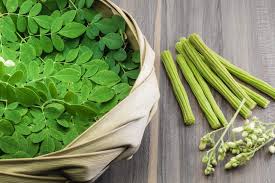
Moringa (Moringa oleifera) is a fast-growing, drought-resistant tree native to India and Africa. As noted by the Food and Agriculture Organization, almost every part of this remarkable tree – leaves, seeds, pods, and roots – is edible and packed with nutrients.
🔹 Why is moringa called a superfood?
- Contains 7x more vitamin C than oranges (based on USDA comparisons)
- Has 4x more calcium than milk (according to nutritional studies)
- Rich in iron, potassium, and all essential amino acids
For more on superfoods, see our guide on nutritional powerhouses.
2. Top 5 Science-Backed Moringa Benefits
1. Boosts Immunity & Fights Inflammation
A 2021 study published in the Journal of Immunology Research found that moringa’s antioxidants like quercetin and chlorogenic acid significantly reduce inflammation markers. The National Institutes of Health also recognizes its potential immune-boosting properties.
2. Supports Healthy Digestion & Gut Health
Research from the Journal of Agricultural and Food Chemistry shows moringa’s high fiber content aids digestion. Its natural antibacterial compounds may also promote gut health, as noted in this microbiome study.
3. Enhances Energy & Reduces Fatigue
The American Journal of Clinical Nutrition highlights how moringa’s iron and B-vitamins combat anemia-related fatigue more effectively than synthetic supplements.
4. Promotes Healthy Skin & Hair
Dermatological research from the International Journal of Cosmetic Science confirms moringa oil’s benefits for skin hydration and hair growth due to its unique fatty acid profile.
5. Helps Regulate Blood Sugar Levels
A 2020 meta-analysis in Diabetes Research and Clinical Practice concluded that moringa supplementation significantly improved blood sugar control in diabetic patients.
3. How to Use Moringa Daily (Easy Ways)
✅ Moringa Powder – The Mayo Clinic recommends adding 1 tsp to smoothies or tea for gradual adaptation.
✅ Moringa Tea – Traditional preparation methods from Ayurvedic texts suggest steeping for 5-7 minutes.
✅ Moringa Oil – The International Journal of Molecular Sciences recommends it for topical use.
✅ Fresh Leaves – Can be cooked like spinach, as suggested by traditional African recipes.
4. Where to Buy High-Quality Moringa?
When purchasing moringa, look for products with:
✔ USDA Organic certification (verify here)
✔ Third-party testing verification (like ConsumerLab)
✔ Sustainable sourcing (check Fair Trade certification)
For trusted brands, see our approved supplement list.
5. Potential Side Effects & Precautions
While generally safe, the European Food Safety Authority recommends:
- Starting with small doses (1/4 tsp powder)
- Consulting a doctor if taking blood pressure medication
- Avoiding during pregnancy (as cautioned by the American Pregnancy Association)
Conclusion: Should You Try Moringa?
With overwhelming scientific evidence from reputable sources like the National Center for Biotechnology Information and Harvard Health Publishing, moringa stands as one of nature’s most complete nutritional solutions. Whether you use moringa powder, capsules, or oil, this superfood can significantly enhance your wellbeing.
Ready to experience moringa’s benefits? Explore our recommended products or share your questions below!
0 Comments